Retail Colocation: Strengthen Your Supply Chain and Enrich Customer Experience*
Retail colocation presents an effective approach for companies looking to optimize their supply chains. By centralizing logistics and inventory management, retailers can significantly improve operational efficiency. This approach not only cuts overhead but also increases stock visibility. However, the seamless integration of retail colocation necessitates a nuanced understanding of its challenges and benefits. As the landscape evolves, retailers must evaluate the role of innovation in facilitating this transformation. What essential components will determine their achievements?
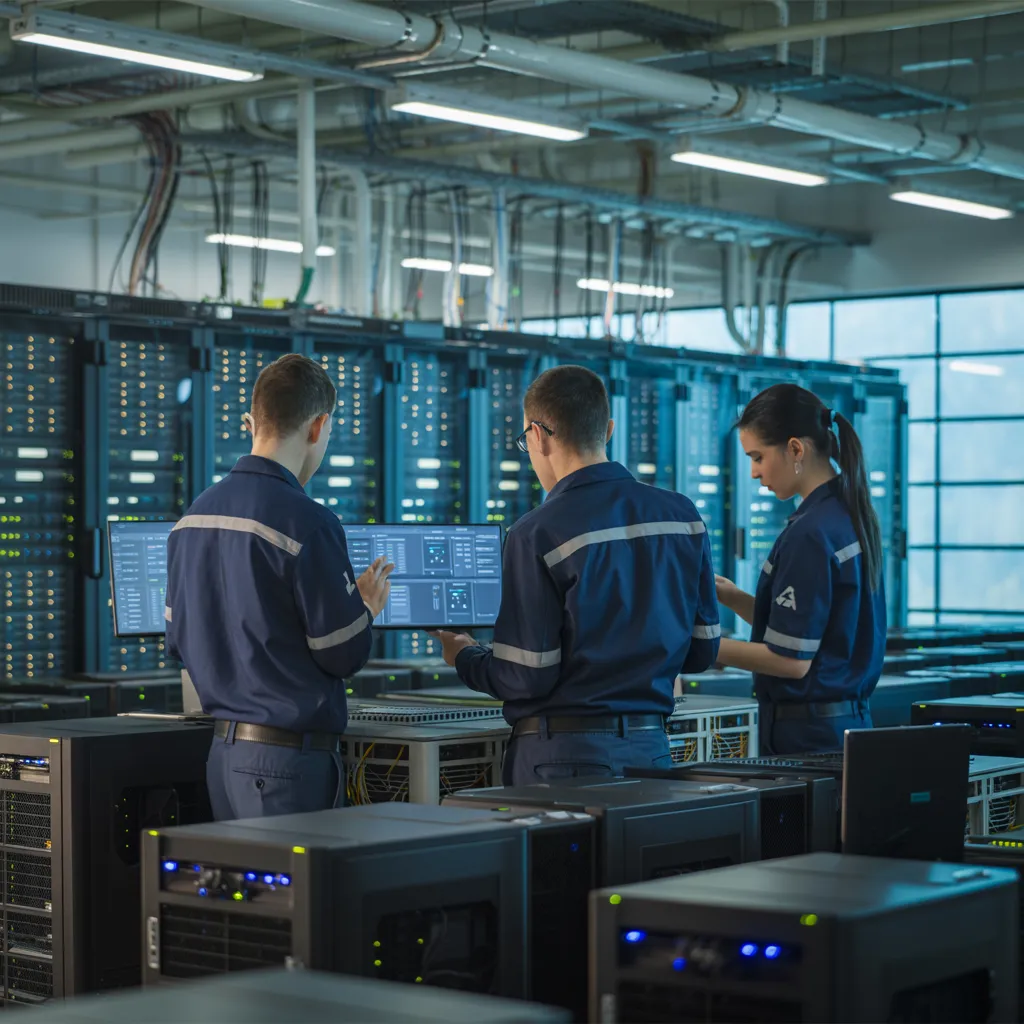
Exploring the Challenges in Retail Supply Chains
Technical limitations further compound these challenges, as numerous retailers find it difficult to incorporate sophisticated systems for live tracking and data evaluation. This lack of visibility can hinder decision-making processes and responsiveness to market changes. Additionally, the increasing complexity of logistics, including transportation costs and regulatory requirements, adds layers of difficulty.
Tackling these obstacles demands a strategic approach, prioritizing partnership across all stakeholders, commitment to technological advancement, and adaptive approaches to adjust to changing market demands. By addressing these challenges, retailers are able to boost productivity and enhance overall customer experiences.
A Guide to Retail Colocation and Its Key Benefits
Retail colocation delivers a competitive edge by optimizing supply chain operations through consolidated workflows. By combining resources, businesses can achieve cost-effective resource management, ultimately leading to greater profitability. Grasping these key factors is essential for retailers aiming to optimize their logistics and operational frameworks.
Enhanced Supply Chain Efficiency
Streamlining supply chain operations is a vital objective for businesses looking for a competitive edge, and retail colocation delivers a strategic solution. By combining services within a shared facility, retailers can enhance communication and collaboration among various stakeholders, including suppliers and logistics providers. This proximity fosters real-time data sharing, enabling quicker responses to market demands and minimizing lead times. Additionally, retail colocation reduces transportation costs and carbon footprints by unifying inventory. Enhanced inventory management and refined distribution channels contribute to a more agile supply chain, enabling businesses to adapt quickly to changes in consumer behavior. Ultimately, retail colocation not only boosts operational efficiency but also ensures a seamless customer experience, positioning businesses for sustained success in a competitive landscape.
Budget-Friendly Resource Management
Effective supply chain operations lay the groundwork for exploring cost-effective resource management within the retail sector. Retail colocation enables businesses to consolidate resources, reducing overhead costs associated with maintaining separate facilities. Through the sharing of infrastructure and services, retailers are able to attain economies of scale that boost profitability while reducing waste. This cooperative strategy encourages innovation, enabling businesses to utilize shared knowledge and technology to optimize operations. Furthermore, decreased logistical challenges result in faster response times, matching inventory levels with customer demand more precisely. Therefore, organizations can enhance their resource deployment, making certain that capital is placed where it produces the most significant return. In summary, retail colocation serves as a strategic pathway for improving both operational performance and cost control in the current competitive landscape.
Optimizing Supply Chain Operations With Retail Colocation
Achieving remarkable supply chain efficiency often hinges on innovative strategies, and retail colocation stands out as a transformative solution. By uniting several retailers within a common warehouse, businesses can optimize their distribution processes, reducing transportation costs and improving inventory management. This partnership-driven strategy promotes live data collaboration, allowing stakeholders to react promptly to market shifts and customer needs.
Retail colocation additionally boosts transparency across the supply chain, enabling stakeholders to monitor products from suppliers to end customers without interruption. By utilizing shared resources, companies can minimize waste and optimize storage capacities, ultimately resulting in quicker turnaround times. Additionally, the nearness of several retailers can support partnerships and cooperative marketing strategies, additionally strengthening operational efficiency. In an increasingly competitive landscape, implementing retail colocation can offer a substantial advantage, guaranteeing that supply chains stay flexible and adaptive to changing consumer demands.
Essential Elements for a Effective Colocation Retail Plan
An effective retail colocation strategy depends on multiple essential factors. Seamless data integration guarantees efficient communication across platforms, while scalable infrastructure solutions support growth. Additionally, deliberate location selection proves essential in enhancing accessibility and streamlining operational efficiency.
Seamless Data Integration
While traversing the challenges within retail colocation, seamless data integration emerges as an essential element for success. This integration enables real-time data exchange across multiple platforms, boosting transparency and responsiveness throughout the supply chain. Through the synchronization of data across inventory management, customer relationship management, and logistics systems, retailers are able to optimize operations and reach more strategic decisions. Additionally, effective data integration fosters collaboration among stakeholders, facilitating timely issue resolution and superior customer service. Retailers who invest in seamless data integration gain the ability to predict market shifts and align with customer expectations, thereby boosting revenue and improving overall satisfaction. In today's competitive environment, this competency is vital for maximizing operational performance while sustaining a resilient and flexible supply chain.
Scalable Infrastructure Solutions
Successful retail colocation depends significantly on scalable infrastructure solutions that adapt to evolving business needs. Companies should place flexibility at the forefront of their IT frameworks, allowing for seamless expansion or contraction based on market demands. Virtualization, cloud computing, and modular architectures serve as critical elements that allow retailers to effectively oversee resources and adapt to shifts in customer demand. Additionally, these solutions facilitate rapid deployment of new services, enhancing operational efficiency. Through the adoption of scalable infrastructure, retailers are able to streamline their supply chain operations, guaranteeing their competitiveness in a rapidly evolving marketplace. In the end, a thoughtfully designed infrastructure not only drives business expansion but also elevates customer satisfaction, as services can be dependably provided and modified based on live operational needs.
Strategic Site Selection
Choosing the ideal spot for retail co-location is critical to improving operational effectiveness and boosting customer engagement. Thoughtful location planning requires assessing considerations like closeness to suppliers, transit systems, and key customer segments. A strategically chosen site reduces logistical expenses and streamlines inventory control, ensuring timely product availability. Furthermore, visibility and ease of access are critical; sites that draw customer traffic can significantly enhance customer interactions and brand loyalty. In addition, examining local competitive landscapes allows businesses to identify advantageous opportunities. By prioritizing these elements, companies can establish a robust colocation strategy that not only streamlines operations but also fosters an engaging shopping experience, ultimately driving sales and enhancing customer satisfaction.
The Way Technology Powers Retail Colocation Innovation
As technological advancements progress, it significantly transforms the landscape of retail colocation, enhancing operational efficiency and service offerings. Innovations such as cloud computing and advanced data analytics support the seamless consolidation of services, enabling retailers to refine their supply chain operations. This integration enables real-time inventory management, decreasing excess inventory and boosting turnover efficiency. Additionally, the adoption of Internet of Things (IoT) devices enables retailers to track customer behavior and preferences, customizing services to improve the shopping experience.
Artificial intelligence (AI) also plays a significant role supporting predictive analytics that assist retailers in predicting demand changes and maximizing resource allocation. Moreover, automation solutions improve operational processes, lowering labor expenses and decreasing human error. As these innovations in technology keep progressing, retail colocation will transform, boosting efficiency and encouraging creative customer engagement approaches. In the end, technology serves as a driving force, reshaping retail colocation into a vibrant and adaptive space.
Actual Success Stories from Retail Colocation
Although numerous retailers struggle with managing intricate supply chains, some have adopted retail colocation to attain impressive achievements. A prime example involves a prominent grocery chain that consolidated its logistics operations inside a colocation facility. This decision optimized inventory management, significantly cutting delivery times and improving customer satisfaction.
One additional success story highlights a popular electronics retailer that utilized colocation infrastructure to centralize its data processing. As a result of this decision, the retailer improved real-time inventory visibility and streamlined its order fulfillment process, resulting in a substantial rise in online sales.
Moreover, a clothing retailer employed colocation to boost its supply chain adaptability, permitting quicker responses to industry trends. As a result, the retailer not only elevated operational efficiency but also elevated its overall revenue. These case studies showcase how retail colocation can revolutionize supply chain operations and elevate customer interactions, placing retailers for long-term expansion.
Commonly Asked Questions
Which Types of Businesses Gain the Most From Retail Colocation?
Companies such as e-commerce companies, distribution firms, try this and tech companies gain the most from retail colocation services. They experience enhanced operational performance, lower latency, and improved customer satisfaction by leveraging shared resources and infrastructure in strategically located facilities.
In What Ways Does Retail Colocation Impact Inventory Management Practices?
Retail colocation streamlines inventory management by centralizing storage and distribution, enhancing accuracy and efficiency. Organizations experience reduced lead times, improved real-time tracking, and reduced stockouts, ultimately resulting in better customer satisfaction and optimized operations.
What Are the Costs Linked to Implementing Retail Colocation?
Implementing retail colocation solutions involves multiple expenditures, including investments in infrastructure, ongoing operational expenses, staffing requirements, along with likely technological advancements. In addition, companies might encounter financial obligations related to the integration of systems and training programs to ensure seamless operations.
What Are the Best Ways for Small Retailers to Access Colocation Services?
Independent store owners can obtain colocation solutions efficiently by working alongside specialized providers, leveraging adaptable service packages, and exploring shared facilities. This approach minimizes overhead costs while guaranteeing reliable infrastructure and enhanced overall productivity for their retail operations.
What Impact Does Sustainability Have on Retail Colocation Decisions?
Sustainability significantly impacts colocation choices for retailers, as organizations are increasingly focused on eco-friendly practices. By partnering with sustainable colocation providers, retailers enhance their brand image, minimize their environmental footprint, and align with consumer values, ultimately fostering long-term loyalty and trust.