Retail Colocation: Optimize Your Supply Chain and Enhance Customer Experience*
Retail colocation offers a powerful solution for businesses seeking to streamline their supply chains. By centralizing logistics and inventory management, retailers can significantly improve operational efficiency. This method not only lowers expenses but also enhances inventory transparency. However, the successful implementation of retail colocation requires a comprehensive grasp of its challenges and benefits. As the market transforms, retailers must assess the role of innovation in facilitating this transformation. What essential components will determine their achievements?
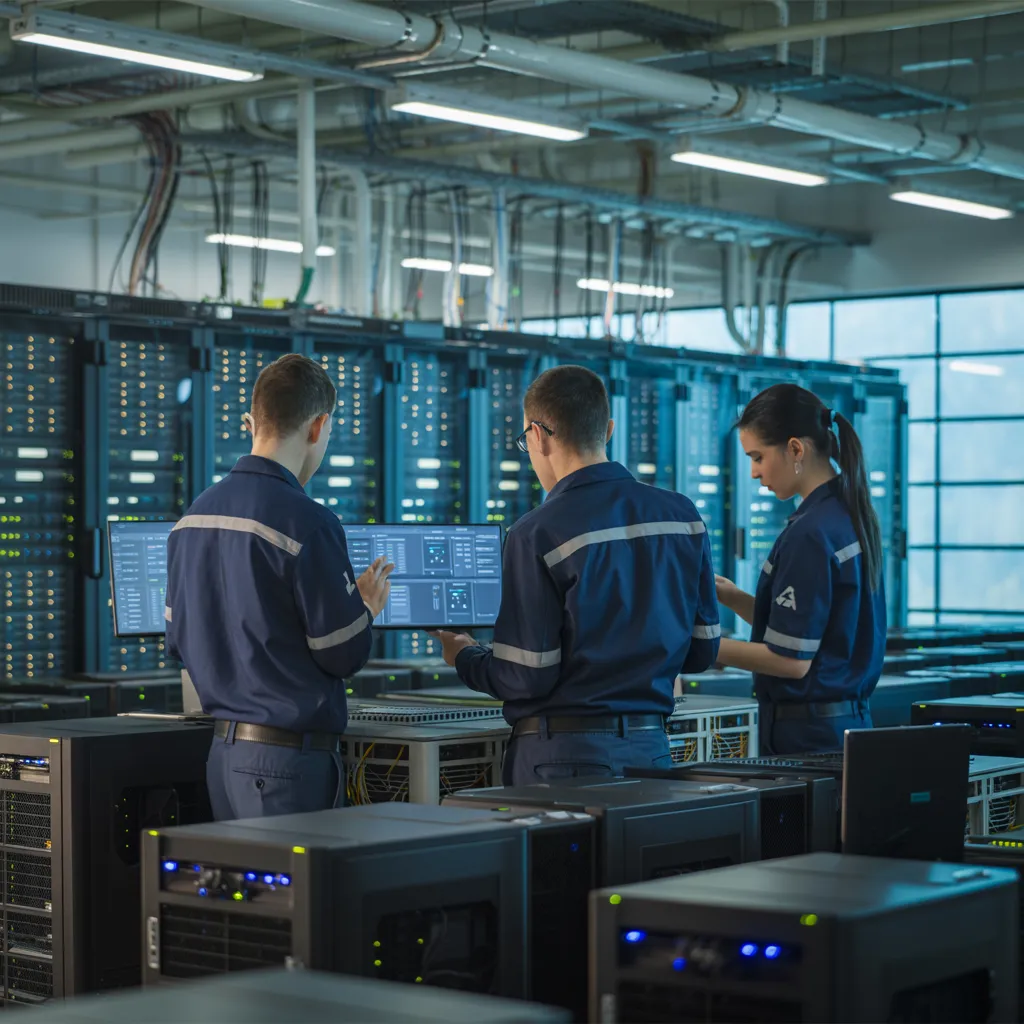
Navigating the Challenges in Retail Supply Chains
Technology-related constraints present significant obstacles, as many retailers struggle to integrate advanced systems for real-time tracking and data analysis. This lack of visibility can hinder decision-making processes and responsiveness to market changes. Furthermore, the growing intricacy of logistics operations, encompassing rising transportation expenses and compliance demands, introduces additional challenges.
Overcoming these difficulties necessitates a calculated methodology, emphasizing collaboration among stakeholders, technological investment, and agile methodologies to adjust to changing market demands. By overcoming these hurdles, retailers can improve efficiency and enhance overall customer experiences.
Understanding Retail Colocation and Its Benefits
Retail colocation offers a strategic advantage by enhancing supply chain efficiency through streamlined operations. By integrating resources, businesses can attain efficient resource allocation, ultimately leading to increased profit margins. Grasping these key factors is critical for retailers looking to enhance their logistical and business frameworks.
Strengthened Supply Chain Operations
Optimizing supply chain operations is a vital objective for businesses pursuing a competitive edge, and retail colocation delivers a strategic solution. By centralizing services within a shared facility, retailers can strengthen communication and collaboration among various stakeholders, including suppliers and logistics providers. This proximity enables real-time data sharing, enabling quicker responses to market demands and decreasing lead times. Additionally, retail colocation minimizes transportation costs and carbon footprints by centralizing inventory. Enhanced inventory management and streamlined distribution channels contribute to a more agile supply chain, enabling businesses to adapt rapidly to changes in consumer behavior. Ultimately, retail colocation not only boosts operational efficiency but also promotes a seamless customer experience, setting up businesses for sustained success in a competitive landscape.
Efficient Resource Management Solutions
Efficient supply chain processes establish the foundation for examining budget-friendly resource management in the retail industry. Retail colocation empowers organizations to merge resources, cutting the overhead costs linked to sustaining distinct facilities. By sharing infrastructure and services, retailers can achieve economies of scale that enhance profitability while minimizing waste. This collaborative approach fosters innovation, allowing companies to leverage shared expertise and technology to streamline operations. Moreover, minimized logistical complications contribute to swifter response times, synchronizing inventory levels with market demand more efficiently. Consequently, companies can refine their resource distribution, guaranteeing that capital is directed where it yields the greatest return. In summary, retail colocation serves as a strategic pathway for improving both operational performance and cost control in the current competitive landscape.
Optimizing Supply Chain Operations With Retail Colocation
Reaching outstanding supply chain effectiveness commonly relies on groundbreaking methods, and retail colocation emerges as a game-changing answer. By uniting several retailers within a common warehouse, businesses can optimize their distribution processes, reducing transportation costs and improving inventory management. This partnership-driven strategy promotes live data collaboration, allowing stakeholders to react promptly to market shifts and customer needs.
Retail colocation additionally boosts transparency across the supply chain, permitting stakeholders to follow products from suppliers to end customers efficiently. By utilizing shared resources, businesses can reduce waste and maximize storage capacities, ultimately contributing to accelerated turnaround times. Moreover, the nearness of several retailers can support partnerships and cooperative marketing strategies, thereby improving operational efficiency. In a growing competitive marketplace, implementing retail colocation can offer a substantial advantage, confirming that supply chains continue to be nimble and attentive to shifting consumer requirements.
Key Components for a Successful Colocation Retail Approach
A successful retail colocation strategy hinges on several key elements. Seamless data integration guarantees efficient communication across platforms, while scalable infrastructure solutions support growth. Additionally, deliberate location selection proves essential in enhancing accessibility and streamlining operational efficiency.
Seamless Data Integration
When navigating the intricacies of retail colocation, seamless data integration emerges as an essential element for success. This capability facilitates real-time data sharing across various platforms, boosting transparency and responsiveness across the supply chain. Through the synchronization of data across inventory management systems, customer relationship management tools, and logistics platforms, retailers can streamline operations and make more informed decisions. Moreover, effective data integration fosters collaboration among stakeholders, enabling proactive problem-solving and enhanced customer satisfaction. Retailers that prioritize seamless data integration gain the ability to predict market shifts and align with customer expectations, thereby boosting revenue and improving overall satisfaction. In a competitive landscape, this capability becomes essential for optimizing performance and maintaining a robust, agile supply chain.
Flexible Infrastructure Solutions
Efficient retail colocation is fundamentally built upon scalable infrastructure solutions that adapt to evolving business needs. Businesses need to emphasize adaptability within their IT structures, allowing for seamless expansion or contraction based on market demands. Cloud computing, virtualization, and modular systems are essential components that enable retailers to efficiently manage resources and respond to fluctuations in customer traffic. Furthermore, these technologies support the swift introduction of new services, boosting overall operational productivity. Through the adoption of scalable infrastructure, retailers are able to streamline their supply chain operations, guaranteeing their competitiveness in a rapidly evolving marketplace. Ultimately, a well-structured infrastructure not only supports business growth but also improves customer experiences, as services can be reliably delivered and adjusted according to real-time requirements.
Strategic Location Selection
Identifying the ideal site for retail colocation plays a vital role in optimizing operational efficiency and boosting customer engagement. Strategic location selection entails examining factors such as closeness to suppliers, transit systems, and target demographics. A carefully selected site minimizes logistics costs and improves inventory management, guaranteeing prompt product supply. Additionally, visibility and ease of access are critical; venues that generate pedestrian activity can considerably increase customer interactions and brand loyalty. In addition, examining local competitive landscapes enables companies to identify advantageous opportunities. By emphasizing these considerations, companies can establish a strong colocation framework that not only enhances efficiency but also cultivates a compelling retail environment, consequently boosting profits and elevating customer contentment.
The Role of Technology in Driving Retail Colocation Innovation
As technological advancements progress, it significantly transforms the world of retail colocation, boosting operational effectiveness and service delivery. Advancements including cloud computing and sophisticated data analytics facilitate seamless integration of services, allowing retailers to streamline their supply chains. This consolidation supports real-time inventory tracking, reducing excess stock and improving turnover rates. Additionally, the implementation of Internet of Things (IoT) technology allows retailers to analyze customer behavior and purchasing patterns, personalizing offerings to elevate the overall shopping experience.
Artificial intelligence (AI) plays a critical part enabling predictive analytics that help retailers anticipate demand fluctuations and optimize resource allocation. Furthermore, automation technologies enhance operational workflows, reducing labor costs and minimizing human error. As these innovations in technology keep progressing, retail colocation will advance, promoting efficiency and cultivating novel customer engagement methods. Ultimately, technology acts as a catalyst, transforming retail colocation into a dynamic and responsive environment.
Actual Success Stories from Retail Colocation
While many retailers face challenges in managing complex supply chains, a number have embraced retail colocation to accomplish outstanding results. One notable example is a leading grocery chain that integrated its logistics operations within a colocation facility. This move streamlined inventory management, drastically reducing delivery times and enhancing customer satisfaction.
Another success story involves a leading electronics retailer that utilized colocation services to consolidate its data processing operations. As a result of this decision, the electronics retailer achieved greater real-time inventory visibility and streamlined its order fulfillment process, resulting in a substantial rise in online sales.
Moreover, a clothing retailer harnessed colocation to enhance its supply chain adaptability, enabling more rapid responses to industry trends. As a result, the company not only enhanced operational effectiveness but also elevated its overall revenue. These case studies showcase how retail colocation can transform supply chain operations and enrich customer experiences, positioning retailers for continued success.
Frequently Asked Questions
Which Business Types Stand to Benefit Most From Retail Colocation?
Businesses like online retailers, distribution firms, and tech companies gain the most from retail colocation. These businesses experience enhanced operational performance, decreased network latency, and improved customer satisfaction by leveraging shared resources and infrastructure in strategically positioned facilities.
In What Ways Does Retail Colocation Impact Inventory Management Practices?
Retail colocation optimizes inventory management by unifying storage and distribution, boosting accuracy and efficiency. Organizations experience reduced lead times, advanced real-time tracking, and decreased stockouts, ultimately resulting in better customer satisfaction and optimized operations.
What Costs Are Associated With Setting Up Retail Colocation?
Deploying retail colocation involves multiple financial considerations, comprising investments in infrastructure, ongoing operational expenses, staffing requirements, along with potential technology upgrades. Additionally, enterprises might encounter costs connected to system integration and staff training to ensure uninterrupted functionality.
How Do Small Retailers Effectively Gain Access to Colocation Services?
Independent associated article store owners can utilize data center colocation efficiently by collaborating with expert colocation vendors, leveraging flexible infrastructure options, and exploring shared infrastructure options. This approach reduces expenses while providing reliable infrastructure and improved business efficiency for their operations.
How Does Sustainability Influence Retail Colocation Decisions?
Sustainability plays a major role in retail colocation decisions, as businesses increasingly prioritize sustainable operations. By partnering with sustainable colocation providers, businesses strengthen their brand reputation, reduce environmental impact, and align with consumer values, ultimately fostering long-term loyalty and trust.