Retail Colocation: Strengthening Your Business With Reliable Data Center Solutions
Retail colocation offers a strategic opportunity for businesses seeking efficient IT infrastructure. By utilizing space in shared data centers, companies can considerably lower costs and strengthen operational efficiency. This approach allows companies to concentrate on their primary functions while leveraging advanced security features and scalable resources. However, the move to embrace retail colocation involves multiple key factors that can impact long-term success. What considerations should companies assess to ensure they make the best decision?
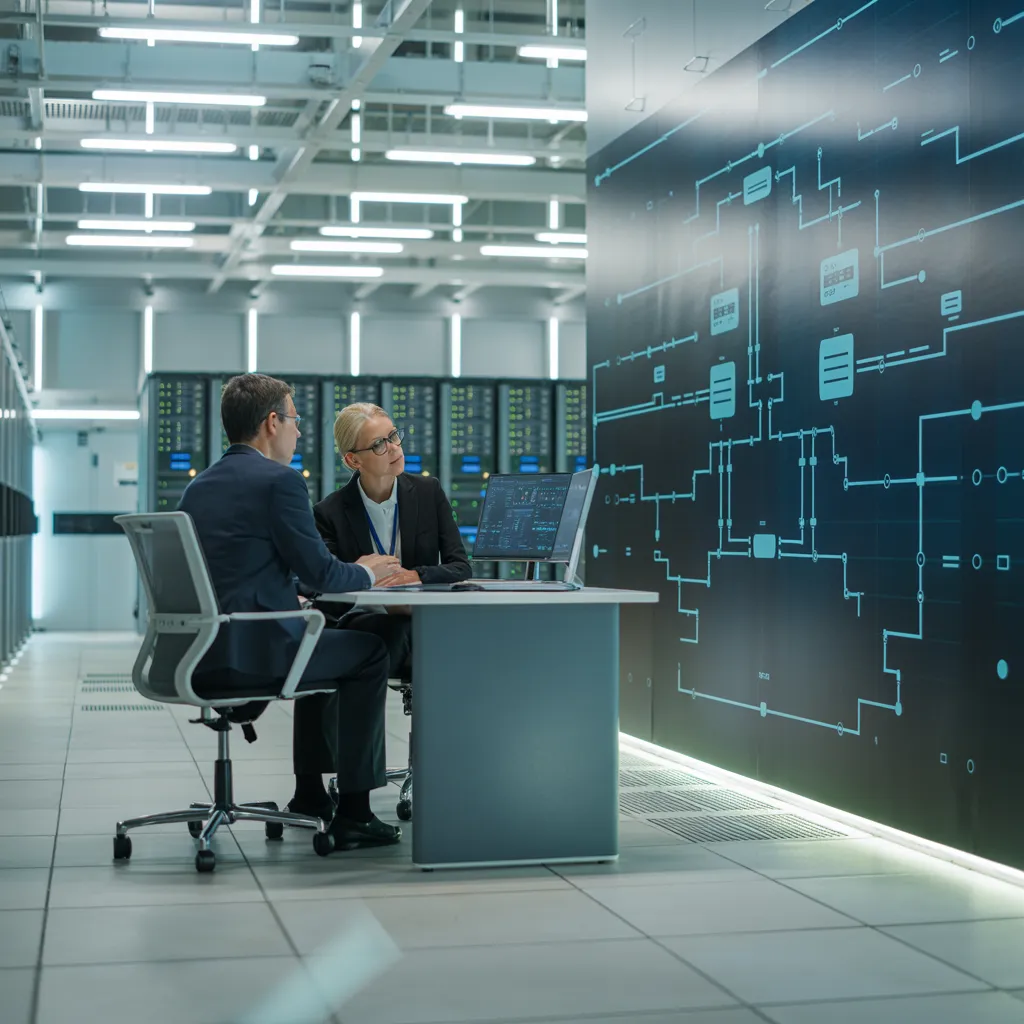
Understanding Retail Colocation: A Comprehensive Overview
Retail colocation gives businesses a versatile and budget-friendly approach for managing their IT equipment. This solution permits organizations to secure space within a data center facility, delivering fundamental resources like energy, temperature management, and physical security. By sharing a facility with other companies, organizations can lower expenses related to constructing and operating their own data centers.
Retail colocation centers are outfitted with advanced technology, guaranteeing dependable and scalable operations. Companies benefit from fast and reliable internet connectivity, backup power systems, and robust security measures, which are often harder to deploy without external support.
Furthermore, retail colocation allows businesses to focus on their core competencies rather than overseeing physical infrastructure. It delivers a broad spectrum of choices to accommodate varying needs, from small startups to large enterprises. This approach cultivates an environment where enterprises can smoothly transition to changing technological requirements while maintaining operational efficiency.
Top 5 Advantages of Retail Colocation for Business Growth
Five key advantages highlight why businesses increasingly choose colocation as a compelling strategy for long-term success. First, colocation offers cost efficiency by reducing the expenses associated with constructing and operating an in-house data center. Next, it enables scalability, allowing businesses to expand their infrastructure without major capital expenditure. Third, enhanced reliability is an essential benefit; colocation facilities often feature redundant power, cooling, and connectivity, guaranteeing continuous availability. Furthermore, access to advanced technology is a notable advantage, as colocation centers generally offer state-of-the-art equipment that may be cost-prohibitive for individual businesses. Finally, colocation promotes improved focus on core business activities. By delegating infrastructure management, companies can allocate more resources to strategic initiatives rather than technical upkeep. Taken together, these advantages make retail colocation an ideal solution for businesses aiming to enhance their operational efficiency and achieve expansion.
How Does Retail Colocation Improve Data Security?
While many businesses recognize how critical data security is, not many are aware of how retail colocation services can greatly enhance their protective measures. By leveraging collective data center facilities, organizations are provided with sophisticated protective technologies that might be economically impractical to deploy on their own. These colocation centers typically feature comprehensive physical safeguards, including biometric authentication systems, surveillance systems, and dedicated security staff, mitigating risks from unauthorized entry.
Moreover, these centers commonly deliver extensive cybersecurity solutions, such as intrusion detection systems and firewalls, engineered to secure sensitive information. Periodic security evaluations and alignment with industry guidelines verify that data is kept safe against emerging threats. Moreover, the backup capabilities provided by colocation services secures uninterrupted data availability even during outages, strengthening overall data protection. To sum up, retail colocation not only unifies infrastructure but also enhances data security, permitting companies to prioritize their essential activities with increased assurance.
The Way Retail Colocation Provides Scalability and Flexibility
Retail colocation provides businesses the capacity to effectively expand their operations through dynamic resource management. This adaptability allows for swift infrastructure growth, supporting expansion without the need for substantial financial commitment. Moreover, specialized solutions can be designed to meet specific organizational needs, enhancing overall adaptability in a competitive marketplace.
Flexible On-Demand Resource Management
Scalability and flexibility are essential attributes in today's fast-paced digital landscape, and on-demand resource allocation through colocation services addresses these needs effectively. Retail colocation empowers organizations to scale their IT infrastructure dynamically in response to real-time requirements. This model allows companies to quickly increase or decrease their server capacity without the long lead times associated with traditional infrastructure investments. By leveraging colocation facilities, businesses can access additional bandwidth, storage, and processing power as needed, enabling them to maintain agility when navigating evolving market conditions. This on-demand approach not only optimizes operational efficiency but also helps reduce costs by eliminating the need for excessive upfront capital expenditure. Fundamentally, retail colocation empowers businesses to adapt seamlessly to evolving requirements.
Fast-Paced Infrastructure Scaling
As businesses increasingly require quick modifications to their IT systems, retail colocation presents itself as a key solution for accommodating growth. This approach allows companies to quickly scale their operations without the challenge of major financial investments associated with building and maintaining their own data centers. By taking advantage of shared resources, organizations can access additional resources and bandwidth on demand, ensuring that they can respond promptly to market changes or spikes in demand. Retail colocation additionally delivers the versatility to scale power and space allocations as company needs develop. With robust facilities and knowledgeable support, companies can concentrate on their primary goals while seamlessly growing their operational capacity, thereby strengthening their position in an ever-changing market.
Customized Solutions for Growth
Harnessing the power of retail colocation, companies secure a fundamental benefit in reaching both scalability and flexibility. This method enables companies to readily adapt their IT infrastructure according to market requirements. Through leveraging shared resources in a colocation facility, organizations can grow their operations without the significant initial expenses linked to constructing and managing their own data centers. The adaptable architecture of colocation services facilitates smooth incorporation of extra servers and networking equipment when required. Additionally, businesses can quickly scale down during slower periods, optimizing resource allocation. This agility not only boosts operational effectiveness but also encourages innovation, permitting organizations to prioritize development strategies while counting on dependable data center solutions to address their technological demands.
How to Identify the Ideal Retail Colocation Partner
Finding the right retail colocation partner begins with a thorough assessment of infrastructure needs. Companies must clarify their individual needs to ascertain compatibility with potential providers. Furthermore, evaluating service level agreements is critical to guarantee that the preferred partner fulfills performance and reliability expectations.
Review Infrastructure Requirements
When analyzing operational requirements, organizations need to thoroughly evaluate their particular requirements to identify the ideal colocation services partner. This assessment begins with determining current and future storage capacity needs, as well as bandwidth requirements. Companies must evaluate their expansion plans and the potential need for scalability within the colocation facility. Additionally, assessing power and cooling infrastructure is critical, ensuring the provider can accommodate demanding hardware configurations. Security measures, both physical and digital, must also be scrutinized to safeguard critical information. Lastly, the geographic placement of the colocation facility should align with disaster recovery plans and latency requirements. By evaluating these criteria, companies can arrive at sound choices when identifying a colocation services partner that most effectively meets their business objectives.
Assess Service Level Agreements
Evaluating service level agreements (SLAs) is an essential step in identifying the most suitable data center partner following an assessment of the necessary infrastructure specifications. SLAs establish the expectations and responsibilities between the service provider and the business, including uptime assurances, support response times, and security protocols. A thorough examination of these contracts can identify key risks and advantages, ensuring alignment with organizational objectives. Critical elements to evaluate include penalties for non-compliance, issue escalation protocols, and service credit provisions. Moreover, companies should evaluate the provider's history in fulfilling service agreements, as this demonstrates reliability and commitment to service quality. At useful tips the end of the day, a properly established service contract fosters a clear and accountable relationship, enabling companies to confidently leverage colocation resources for greater operational effectiveness.
Smart Strategies for Maximizing the Value of Your Colocation Investment
Optimizing a colocation investment necessitates thoughtful planning and sound decision-making. Companies can improve cost-efficiency by thoroughly evaluating their objectives before selecting a colocation provider. This guarantees compatibility with available services and avoids avoidable expenses.
Utilizing scalable solutions serves as an additional critical tactic. By choosing a provider that allows for flexible scaling, companies can reallocate their resources based on shifting requirements, consequently cutting down on inefficiencies.
Consistently evaluating and improving resource usage is essential. Utilizing monitoring tools can identify underutilized assets, empowering businesses to make data-driven decisions regarding reallocation or scaling down.
Establishing beneficial clauses in service contracts (SLAs) can also yield significant savings. Businesses should verify they have a clear understanding of all costs , including concealed charges.
Lastly, leveraging power-efficient innovations can lower operational costs, greatly enhancing the colocation value. By implementing these methods, organizations can ensure their colocation solutions deliver ideal value while driving company development.
Frequently Asked Questions
What Kinds of Businesses Benefit the Most From Retail Colocation
Businesses operating in e-commerce, finance, and technology sectors are best served by retail colocation services. Such industries demand robust infrastructure, fast connectivity, and scalability, enabling them to improve performance, cut costs, and optimize overall operational efficiency.
How Is Retail Colocation Set Apart From Standard Data Centers?
Retail colocation stands apart from standard data center facilities by providing shared space, reduced costs, and flexible scalability. Businesses benefit from improved connectivity and cutting-edge infrastructure while avoiding the overhead of running a dedicated private facility.
What Are the Most Common Myths About Retail Colocation?
Common myths about retail colocation include the false belief that it is exclusively designed for large enterprises, prohibitively costly, is deficient in security measures, and offers limited scalability. The fact is that it delivers versatility, cost-effectiveness, and comprehensive security features suitable for various business sizes.
What Is the Environmental Sustainability Impact of Retail Colocation?
Retail colocation services beneficially affects environmental sustainability by maximizing energy utilization, lowering carbon emissions, and promoting resource sharing. By consolidating infrastructure, it reduces waste and enhances efficiency, supporting more sustainable data management approaches in the industry.
What Are the Typical Contract Lengths for Retail Colocation Services?
Standard contract durations for retail colocation solutions vary between one and three years, however certain providers may extend month-to-month alternatives. Flexibility in contracts allows businesses to adjust their data center needs as requirements evolve.