Top Advantages of Expert eWaste Removal: What You Need to Know
The handling of e-waste presents a critical matter in today's technology-driven age. Professional e-waste disposal firms conserve the environment and ensure observance of applicable rules. They mitigate data security issues and expedite the disposal process, which can greatly determine expenditure and business credibility. Recognizing the comprehensive benefits of these services is essential for entities aiming to administer their electronic waste ethically. What primary considerations should enterprises weigh when choosing a waste management partner?
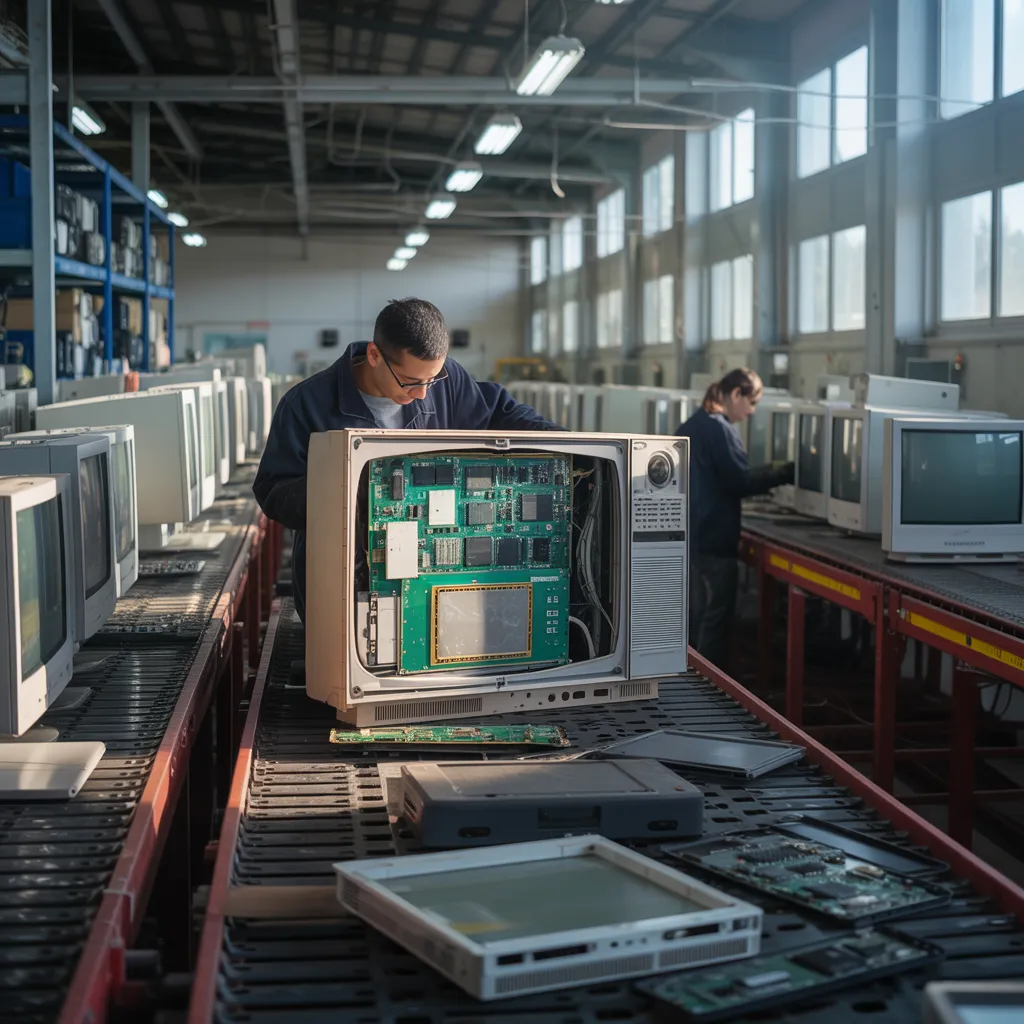
Why E-Waste Handling Counts for the Planet
Although technology continues to advance quickly, the environmental impact of e-waste continues to be a pressing concern. E-waste, which includes abandoned electronic devices like smartphones, computers, and televisions, often contains hazardous substances such as lead, mercury, and cadmium. When improperly disposed of, these materials can seep into soil and water sources, posing significant health risks to ecosystems and human populations.
Furthermore, e-waste contributes to the increasing problem of landfills, where important resources are wasted. Recycling and adequate disposal can reduce these effects by reclaiming materials like metals and polymer materials, decreasing the need for virgin resources. Expert e-waste disposal services guarantee adherence to environmental standards, supporting responsible management of electronic waste. By prioritizing proper e-waste disposal, individuals and businesses can play a key role in safeguarding the environment, saving resources, and supporting a sustainable future. Such practices are essential for limiting the ecological footprint of a technology-driven society.
The Part of Conformity in E-Waste Handling Regulations
Compliance with e-waste disposal rules is essential in developing a regulatory framework that oversees the handling of e-waste. These standards not only guarantee that businesses follow ecological standards but also reduce the detrimental effects of inadequate disposal on environmental systems. Understanding the intersection of regulatory obligations and environmental factors is critical for effective electronic waste handling.
Framework for Legal Adherence
The regulatory structure governing e-waste disposal is vital for promoting environmentally responsible operations. Various regulations, such as the Resource Conservation and Recovery Act (RCRA) in the United States, set forth standards for the treatment and disposal of electronic waste. These regulations seek to reduce health risks and ecological dangers associated with improper management. Adherence to these rules not only safeguards public health but also fosters accountability among producers and users. Furthermore, global treaties, like the Basel Convention, highlight the importance for responsible e-waste handling on a worldwide level. Organizations must remain aware about these regulatory obligations to prevent fines and advance sustainable operations. Comprehending this framework is essential for any organization engaged in e-waste disposal.
Environmental Impact Factors
Improper disposal of e-waste poses substantial environmental risks, making adherence with disposal requirements a key factor in reducing these hazards. Electronic equipment often contain toxic substances, such as lead and mercury, which can seep into soil and water, harming ecosystems and public health. Adhering to e-waste disposal regulations ensures that hazardous materials are managed safely, reducing the risk of environmental contamination. Moreover, adherence enables the recycling of precious materials, encouraging sustainability and resource preservation. Organizations that emphasize regulatory adherence not only contribute to environmental protection but also improve their reputation. As awareness of e-waste issues increases, adherence becomes increasingly vital for businesses and individuals aiming to reduce their ecological footprint and promote responsible disposal practices.
How Professional Services Provide Risk-Free Processing of Hazardous Materials
Numerous enterprises encounter the challenge of controlling hazardous materials present in electronic waste, making professional services vital for safe disposal. These services are equipped with the expertise and resources necessary to handle toxic substances, such as lead, mercury, and cadmium, which are commonly found in outdated electronics. Professionals follow stringent regulations and guidelines to guarantee compliance with environmental laws, lowering the risk of contamination and harm.
Furthermore, experienced technicians deploy advanced equipment and procedures to safely dismantle and recycle electronic components. This process reduces exposure to toxic substances, safeguarding both workers and the community. Professional services also provide proper documentation, ensuring accountability in the disposal chain. By assigning e-waste disposal to qualified professionals, organizations can mitigate potential liabilities and contribute to sustainable practices, fostering a safer environment for all. Consequently, professional e-waste disposal is not only a legal necessity but also a ethical approach for managing hazardous materials.
Data Security: Why Professional E-Waste Disposal Matters
Maintaining confidentiality protection remains a serious consideration for organizations handling electronic waste. Outdated devices regularly preserve sensitive information, comprising individual records, exclusive information, and financial records. Inadequate management may precipitate information leaks, exposing organizations to compliance risks and reputational damage. Qualified waste handlers leverage approved standards to securely erase data from devices, verifying irretrievable deletion.
These services often follow strict regulatory standards, such as GDPR and HIPAA, which mandate the secure management of sensitive information. By entrusting e-waste disposal to professionals, organizations mitigate risks associated with data theft and unauthorized access. Additionally, these specialists provide documentation that confirms proper data destruction, offering peace of mind to companies concerned about their data security. In an age where cyber threats are widespread, prioritizing professional e-waste disposal is essential for safeguarding sensitive information and maintaining trust with clients and stakeholders.
Enhancing Your Electronic Waste Handling Method
Streamlining the e-waste disposal process involves implementing efficient collection methods and straightforward categorization systems. These approaches not only enhance workflow productivity but also guarantee safe recycling practices are followed. By optimizing these steps, companies can significantly decrease their ecological footprint and strengthen adherence with regulations.
Efficient Gathering Methods
Effective collection methods are key in streamlining the e-waste disposal process. With scheduled pickups and assigned drop-off sites, organizations can substantially decrease the hurdles for consumers to dispose of their electronic waste in a responsible way. Utilizing specialized collection vehicles and trained personnel ensures that e-waste is handled safely and securely, minimizing the risk of environmental contamination. Additionally, collaborating with local businesses and community groups can improve outreach efforts, fostering wider involvement in recycling initiatives. Advanced tracking systems can also be employed to monitor collection rates and identify trends, facilitating continuous improvement in disposal strategies. At last, these efficient methods of collection assist in fostering a sustainable approach to electronic waste management, benefiting the environment and local societies.
Simplified Arranging Methods
Initiatives to enhance efficient collection methods inherently necessitate the need for streamlined categorization processes. Streamlining the sorting process significantly reduces the time and labor involved in e-waste disposal. By establishing clear categorization systems, organizations can easily distinguish and sort various types of electronic waste, such as computers, mobile devices, and appliances. This not only speeds up the disposal process but also reduces the risk of mixing of different materials. Additionally, simplified sorting reduces the burden on workers, allowing them to focus on regulatory requirements and protective standards. Ultimately, efficient categorization methods ensure that e-waste is handled responsibly, setting the stage for proper recycling and disposal, while also supporting overall environmental sustainability.
Protected Recycling Practices
Implementing safe recycling methods is crucial for proper e-waste disposal. Professionals in the field emphasize methods that minimize ecological damage and maintain compliance with regulations. This includes the appropriate segregation of items, such as metals, plastics, and hazardous components, to facilitate efficient recycling. By employing certified recycling facilities, e-waste is processed with the utmost care, reducing the risk of toxic substances contaminating the environment. Additionally, safe practices promote the recovery of valuable materials, contributing to a closed-loop economy. Organizations that adopt these practices not only protect the environment but also improve their reputation as responsible corporate citizens. Ultimately, adopting safe recycling practices optimizes the e-waste disposal process, ensuring sustainability and compliance with legal standards.
Cost Returns from Qualified E-Waste Processing
Many businesses find that expert electronic waste management can profoundly go now reduce extended expenses linked to managing obsolete electronics. By delegating e-waste management, organizations reduce expenses connected with storage, handling, and potential fines for improper disposal. Expert solutions often encompass collection, transportation, and recycling, simplifying operations and reducing labor costs.
Additionally, certified e-waste disposal vendors guarantee adherence with ecological regulations, helping businesses avoid significant penalties that arise from non-compliance. This proactive approach not only mitigates financial setbacks but also enhances the company's reputation as an environmentally responsible organization.
In addition, various electronic waste services present data destruction capabilities, preserving sensitive information and eliminating the exposure to security incidents that might trigger expensive legal obligations. Ultimately, investing in professional e-waste disposal achieves notable financial savings, advocating the requirement of instituting a deliberate strategy to e-waste control.
Picking a credible E-Waste Handling Firm?
What approaches can companies use to confirm they choose a trustworthy e-waste management service? To start, they should confirm certifications and compliance with local requirements, ensuring the service follows to ecological standards. A reliable provider will maintain certifications such as R2 or e-Stewards, which demonstrate responsible recycling practices.
Next, enterprises should look into the service's experience and track record. Testimonials and feedback can give insight into the reliability and quality of service. Additionally, a trusted company will supply transparent pricing and clearly outline their treatment procedures.
It is also essential to investigate data protection standards. A reputable service should ensure the safe disposal of sensitive information on devices. Finally, businesses may benefit from opting for a service that offers extra offerings, such as component salvage or refurbishment, bolstering overall value. By executing these steps, businesses can assuredly select a reliable e-waste disposal partner that corresponds with their sustainability goals.
Common Submitted Questions
What Varieties of Electronics Can Be Disposed of Professionally?
Professionally handled electronics include computers, monitors, televisions, printers, smartphones, tablets, and other devices containing circuit boards or batteries. Proper disposal assures hazardous materials are handled safely, promoting environmental responsibility and compliance with regulations.
How Often Times Should Businesses Dispose of E-Waste?
Companies should discard e-waste once per year minimum, or more often based on their quantity of obsolete electronics. Frequent removal helps reduce ecological impact and guarantees adherence with requirements concerning hazardous materials.
Do tax incentives exist for electronic waste disposal?
Tax incentives for e-waste recycling exist in multiple formats, including deductions and credits. These benefits prompt businesses to responsibly recycle, decreasing ecological consequences while possibly reducing their tax liabilities through involvement in approved recycling programs.
Will Non-Profit Groups Benefit From E-Waste Disposal Services?
Non-profit institutions can truly leverage e-waste disposal offerings. These offerings often present cost-effective approaches, foster environmental awareness, and may open fundraising opportunities through partnerships, enhancing their community involvement and sustainability initiatives.
What Transpires to E-Waste After Expert Elimination?
During professional disposal, e-waste is normally broken into components, with recyclable materials separated. Harmful materials are securely managed, while reusable components are serviced or repurposed, ensuring environmental safety and advancing waste reduction in a sustainable manner.