Top Advantages of Expert eWaste Removal: What You Should to Understand
The disposal of e-waste is a vital concern in today's modern era. Professional e-waste disposal providers not only protect the ecosystem but also ensure adherence with standards. They address information protection issues and optimize the disposal process, which can significantly impact both expenses and corporate reputation. Understanding the multifaceted benefits of these services is essential for companies aiming to handle their electronic waste sustainably. What important considerations should organizations evaluate when selecting a removal provider?
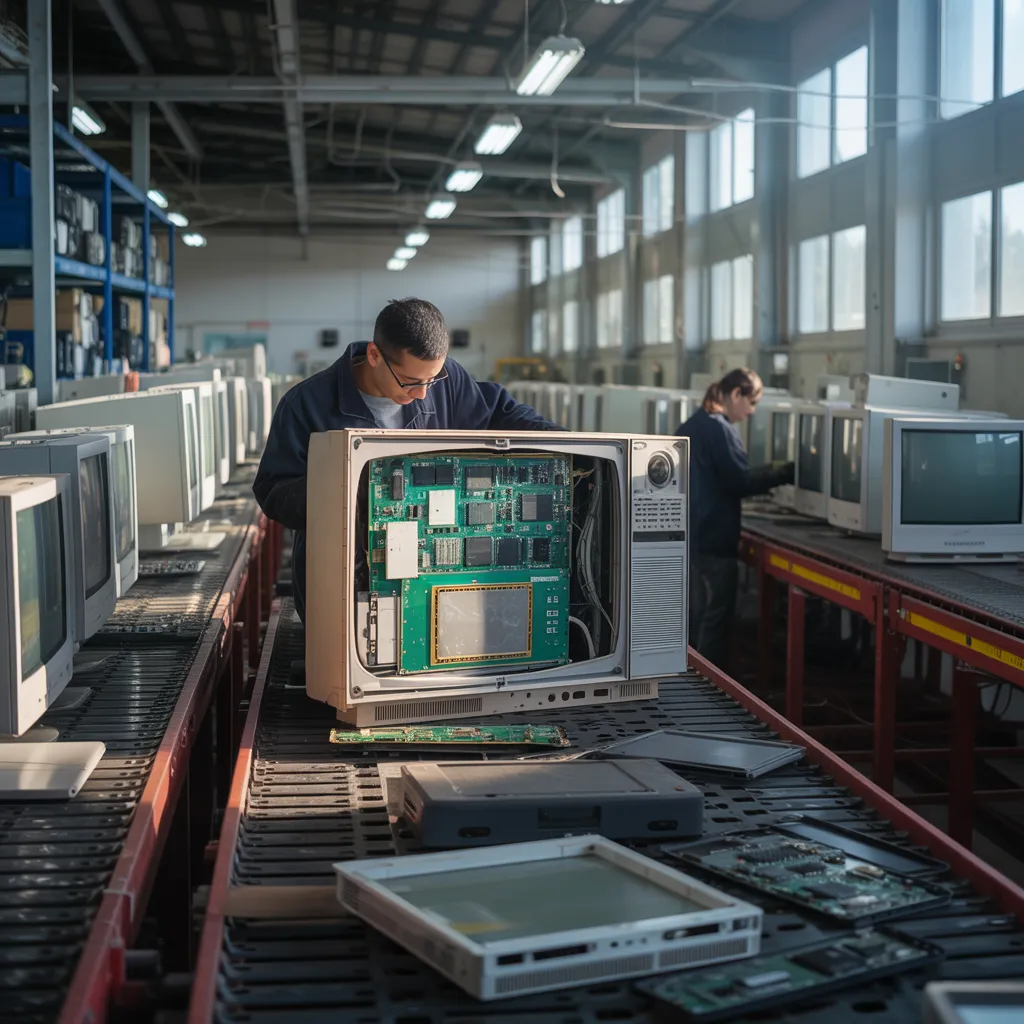
Why E-Waste Processing Is Critical for the Environment
Although technology develops at a rapid speed, the ecological impact of e-waste persists as a pressing issue. E-waste, which consists of thrown away electronics like smartphones, computers, and televisions, typically bears harmful substances such as lead, mercury, and cadmium. When inappropriately handled, these materials can infiltrate soil and water sources, creating considerable health hazards to natural habitats and human communities.
Additionally, e-waste adds to the worsening landfill problem, where valuable resources are discarded. Recycling and correct disposal serve to reduce these effects by retrieving materials such as metals and plastics. Expert e-waste disposal services guarantee adherence to environmental standards, promoting responsible consideration of electronic waste. By placing emphasis on proper e-waste disposal, individuals and businesses can assume a key role in safeguarding the environment, preserving resources, and advocating for a sustainable future. Such steps are critical for limiting the environmental footprint of a technology-driven society.
The Impact of Compliance in E-Waste Processing Guidelines
Adhering to e-waste waste management rules is crucial in creating a regulatory structure that governs the handling of electronic waste. These regulations not only guarantee that companies comply with ecological requirements but also reduce the harmful impacts of incorrect handling on environmental systems. Understanding the intersection of regulatory obligations and environmental considerations is essential for effective e-waste management.
Legal Structure Summary
The legal framework governing e-waste handling is essential for promoting sustainable operations. Multiple regulations, such as the Resource Conservation and Recovery Act (RCRA) in the United States, establish standards for the handling and disposal of electronic waste. These regulations aim to lessen health hazards and ecological hazards associated with improper handling. Following these rules not only ensures public health but also strengthens responsibility among producers and consumers. Moreover, international agreements, like the Basel Convention, emphasize the importance for responsible e-waste management on a global scale. Organizations must remain knowledgeable about these regulatory obligations to prevent fines and promote sustainable operations. Understanding this structure is critical for any entity involved in e-waste disposal.
Environmental Impact Considerations
Poor handling of e-waste generates major ecological hazards, making adherence with disposal regulations an vital factor in minimizing these hazards. Electronic devices typically contain toxic substances, such as lead and mercury, which can infiltrate into soil and water, affecting ecosystems and public health. Complying to e-waste disposal regulations secures that hazardous materials are managed safely, decreasing the probability of environmental contamination. Furthermore, compliance facilitates the recycling of important materials, supporting sustainability and resource conservation. Organizations that stress regulatory adherence not only contribute in environmental protection but also enhance their reputation. As awareness of e-waste issues grows, compliance becomes progressively essential for businesses and individuals striving to lessen their ecological footprint and support responsible disposal practices.
How Professional Services Ensure Safe Handling of Hazardous Materials
Many bodies face the challenge of processing hazardous materials contained in electronic waste, making professional services imperative for safe disposal. These services are equipped with the expertise and resources vital to handle toxic substances, such as lead, mercury, and cadmium, which are commonly found in outdated electronics. Professionals follow stringent regulations and guidelines to guarantee compliance with environmental laws, reducing the risk of contamination and harm.
Furthermore, trained professionals utilize advanced tools and methods to safely break down and process electronic components. This process reduces exposure to dangerous substances, protecting both workers and the community. Professional services also offer proper documentation, ensuring accountability in the disposal chain. By entrusting e-waste disposal to certified experts, organizations can mitigate potential liabilities and support sustainable practices, fostering a safer environment for all. Consequently, professional e-waste disposal is not only a legal necessity but also a ethical decision for handling hazardous materials.
Data Security: Why Expert E-Waste Handling Matters
Protecting data security represents a critical concern for enterprises disposing of discarded technology. Outdated devices typically contain sensitive information, such as personal data, intellectual property, and accounting files. Negligent handling may cause privacy violations, exposing organizations vulnerable to legal liabilities and reputational damage. Specialized recycling firms implement validated procedures to securely erase data from devices, ensuring that it cannot be recovered.
These offerings frequently comply with strict regulatory requirements, like GDPR and HIPAA, which require the secure handling of private data. When organizations entrust e-waste disposal to professionals, they minimize threats tied to data theft and unauthorized access. Moreover, these professionals provide documentation that validates proper data destruction, giving peace of mind to companies concerned about their data security. In an era where cyber threats are pervasive, prioritizing professional e-waste disposal is important for protecting sensitive information and keeping trust with clients and stakeholders.
Perfecting Your E-Waste Treatment Process
Streamlining the e-waste disposal process involves implementing effective gathering techniques and simplified sorting procedures. These practices not only enhance operational efficiency but also guarantee safe recycling practices are followed. By optimizing these steps, organizations can substantially decrease their environmental impact and increase adherence with regulations.
Productive Compilation Systems
Effective collection techniques play a critical role in advancing the process of e-waste disposal. With scheduled pickups and assigned drop-off sites, organizations can effectively minimize the hurdles for consumers to dispose of their electronic waste in a responsible way. Utilizing specialized collection vehicles and trained personnel guarantees that e-waste is handled safely and securely, minimizing the risk of environmental contamination. Also, partnerships with local businesses and community organizations can amplify outreach campaigns, encouraging more extensive participation in recycling efforts. High-tech tracking systems can also help monitor collection rates and spot trends, promoting ongoing progress in disposal strategies. Ultimately, such efficient collection techniques aid a more sustainable method of managing electronic waste, offering advantages to the environment and local communities.
Simplified Organization Procedures
Initiatives to improve streamlined gathering techniques inherently lead to the need for streamlined categorization processes. Streamlining the sorting process significantly reduces the time and labor involved in e-waste disposal. By establishing distinct classification frameworks, organizations can easily identify and separate various types of electronic waste, such as computers, mobile devices, and appliances. This not only accelerates the disposal process but also minimizes the risk of contamination among different materials. Additionally, simplified sorting reduces the strain on workers, allowing them to focus on regulatory requirements and protective standards. Ultimately, effective sorting procedures guarantee that e-waste is managed ethically, setting the stage for proper recycling and disposal, while also supporting overall environmental sustainability.
Secure Recycling Guidelines
Implementing safe recycling procedures is vital for proper e-waste disposal. Professionals in the field prioritize techniques that minimize environmental impact and maintain compliance with regulations. This includes the proper segregation of materials, such as metals, plastics, and hazardous components, to facilitate efficient recycling. By employing certified recycling facilities, e-waste is processed with the highest assessment care, reducing the risk of harmful chemicals contaminating the environment. Additionally, safe practices promote the recovery of valuable materials, contributing to a closed-loop economy. Organizations that implement these practices not only protect the environment but also enhance their reputation as responsible corporate citizens. Ultimately, adopting safe recycling practices simplifies the e-waste disposal process, ensuring sustainability and compliance with legal standards.
Financial Benefits of Professional E-Waste Management
Many businesses discover that expert electronic waste management can profoundly reduce ongoing expenses associated with handling obsolete electronics. By delegating e-waste management, organizations reduce expenses related to storage, handling, and potential fines for improper disposal. Professional services often encompass collection, transportation, and recycling, simplifying operations and decreasing labor costs.
Moreover, accredited e-waste handling services guarantee compliance with environmental regulations, enabling businesses escape considerable penalties that arise from non-compliance. This strategic approach not only prevents budgetary setbacks but also enhances the company's reputation as an environmentally responsible organization.
Additionally, many electronic waste removal companies offer data destruction, safeguarding confidential data and eliminating the risk of security breaches that could result in costly legal ramifications. Ultimately, investing in professional e-waste disposal translates into significant savings, reinforcing the importance of adopting a deliberate strategy to e-waste handling.
Picking a credible E-Waste Handling Company?
How can businesses guarantee they select a reputable e-waste disposal service? First, they should verify credentials and compliance with local regulations, guaranteeing the service adheres to environmental standards. A credible provider will have qualifications such as R2 or e-Stewards, which indicate ethical waste management practices.
Next, enterprises should look into the service's past performance and reputation. Testimonials and feedback can shed light on the consistency and excellence of service. Additionally, a reputable company will offer transparent pricing and clearly outline their disposal processes.
It is also essential to ask about data protection standards. A reputable service should guarantee the secure destruction of restricted data on devices. Finally, businesses may benefit from opting for a service that supplies additional services, such as component salvage or refurbishment, improving overall value. By taking these actions, businesses can confidently pick a reputable e-waste disposal partner that corresponds with their sustainability goals.
Regularly Posed Questions
What Types of Electronic Devices Can Be Disposed of by Professionals?
Professionally processed electronics feature computers, monitors, televisions, printers, smartphones, tablets, and other devices containing circuit boards or batteries. Proper disposal guarantees hazardous materials are managed safely, promoting environmental responsibility and compliance with regulations.
When Should Enterprises Dispose of E-Waste Regularly?
Businesses should get rid of e-waste at least annually, or more frequently depending on their volume of obsolete electronics. Regular disposal helps mitigate environmental impact and ensures adherence with laws regarding dangerous substances.
Are there any financial benefits for electronic waste recycling?
Tax incentives for e-waste disposal are offered in multiple formats, including credits and deductions. These incentives prompt businesses to responsibly recycle, reducing environmental impact while possibly reducing their tax liabilities through involvement in approved recycling programs.
Will Non-Profit Organizations Gain From E-Waste Disposal Services?
Non-profit bodies can positively advantage themselves of e-waste disposal services. These services often furnish affordable solutions, champion environmental stewardship, and may facilitate fundraising opportunities through partnerships, improving their community outreach and sustainability work.
How is E-Waste Managed Upon Completion of Commercial Removal?
Upon professional disposal, e-waste is routinely separated into parts, with recyclable materials divided. Dangerous compounds are appropriately handled, while reusable components are rehabilitated or redistributed, ensuring environmental safety and promoting resource conservation in a sustainable manner.